Why the glands stop emptying, and what actually helps
Anal glands are meant to empty every time your dog poops. When stool is soft, they don't. Here's what the research says, what to look for, and how to check any gland chew before you buy it.
Shop the chews
Know the signs
Dogs can't tell you their glands are full. These four signs are how they show it.


These are the signs the glands aren't emptying on their own.
Firm, well-formed stool is what presses them empty. That's what our fiber blend and probiotic are made to support.
See how Wellby helpsSwelling, blood, or a dog in pain? See your vet first. A chew won't fix an infection or an abscess.Why it keeps coming back
Most gland problems end with a squeeze
In a UK study of dogs with gland problems, almost every one had the glands emptied by hand. It brings relief, but it doesn't change why they filled up.
O'Neill et al., Vet Record 2021 (VetCompass)A spoon of pumpkin isn't much fiber
Canned pumpkin is about 90% water. A teaspoon has roughly 0.15 g of fiber. Your vet was right about fiber. The spoon is the problem.
USDA FoodData Central, canned pumpkinThe first sign is in the poop bag
Firmer, better-formed stool shows up before the scooting stops. Check the bag in week 1 to 2, so you know it's working instead of guessing for two months.
Soft stool isn't the only cause
Skin allergies were the most common problem found alongside gland infections in a study of 190 dogs. If your dog also licks its paws or ears, talk to your vet. Wellby helps when soft stool is the reason.
Hvitman-Graflund et al., Veterinary Dermatology 2023dogs deal with anal gland problems*
One of the most common reasons dogs see the vet, and one of the least talked about. Some breeds are far more likely to get it.
Breeds with the highest risk
Odds compared with crossbreed dogs*
About 1 in 7 Cavaliers had a gland problem in a single year.*
See all breeds, sizes and sources
Small dogs often affected
Medium dogs often affected
Large dogs get it too
*O'Neill et al., Vet Record 2021 (RVC VetCompass, 104,212 UK dogs: 4.4% diagnosed in one year; Cavalier King Charles 14.8%; breed and flat-face odds ratios). Corbee et al., Animals 2022 (Dutch veterinarian survey: estimated 15.7% incidence; impaction relapse 35.7%, typically after 4 to 5 months). Large breeds had lower odds than crossbreeds in the RVC study but are still affected.
What's inside?
Four fibers and one probiotic. Every milligram on the label. No chicken, beef, pork or grain.
Psyllium husk
Fiber · 400 mg per chew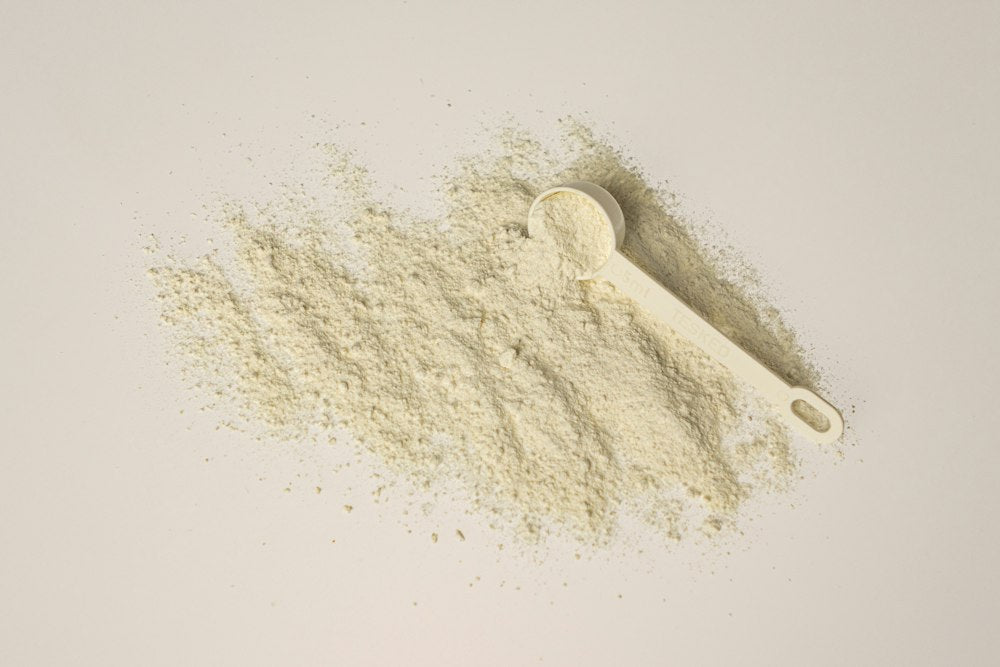
Pumpkin
Fiber · 300 mg per chew
Beet pulp
Fiber · 250 mg per chew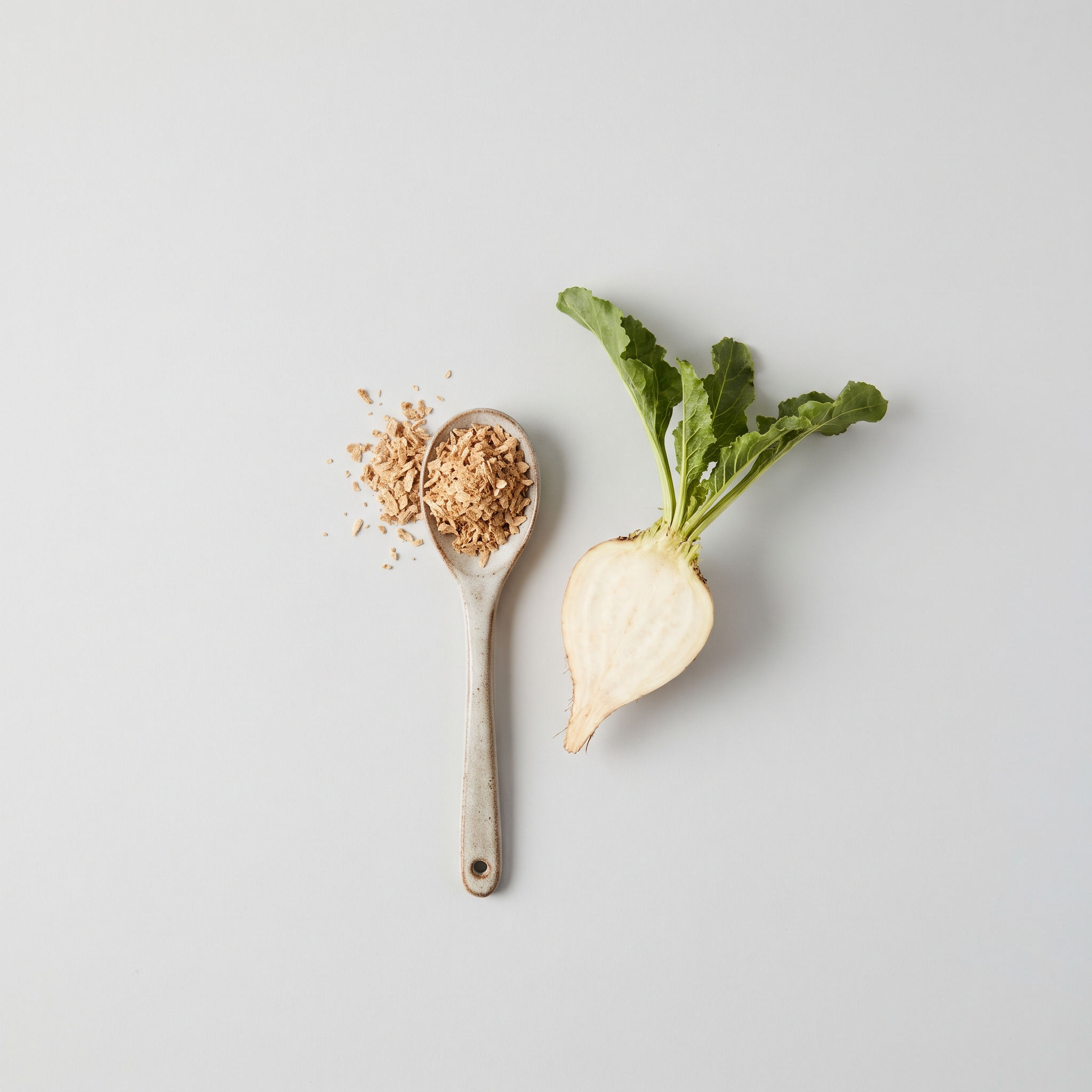
Apple pectin
Fiber · 150 mg per chew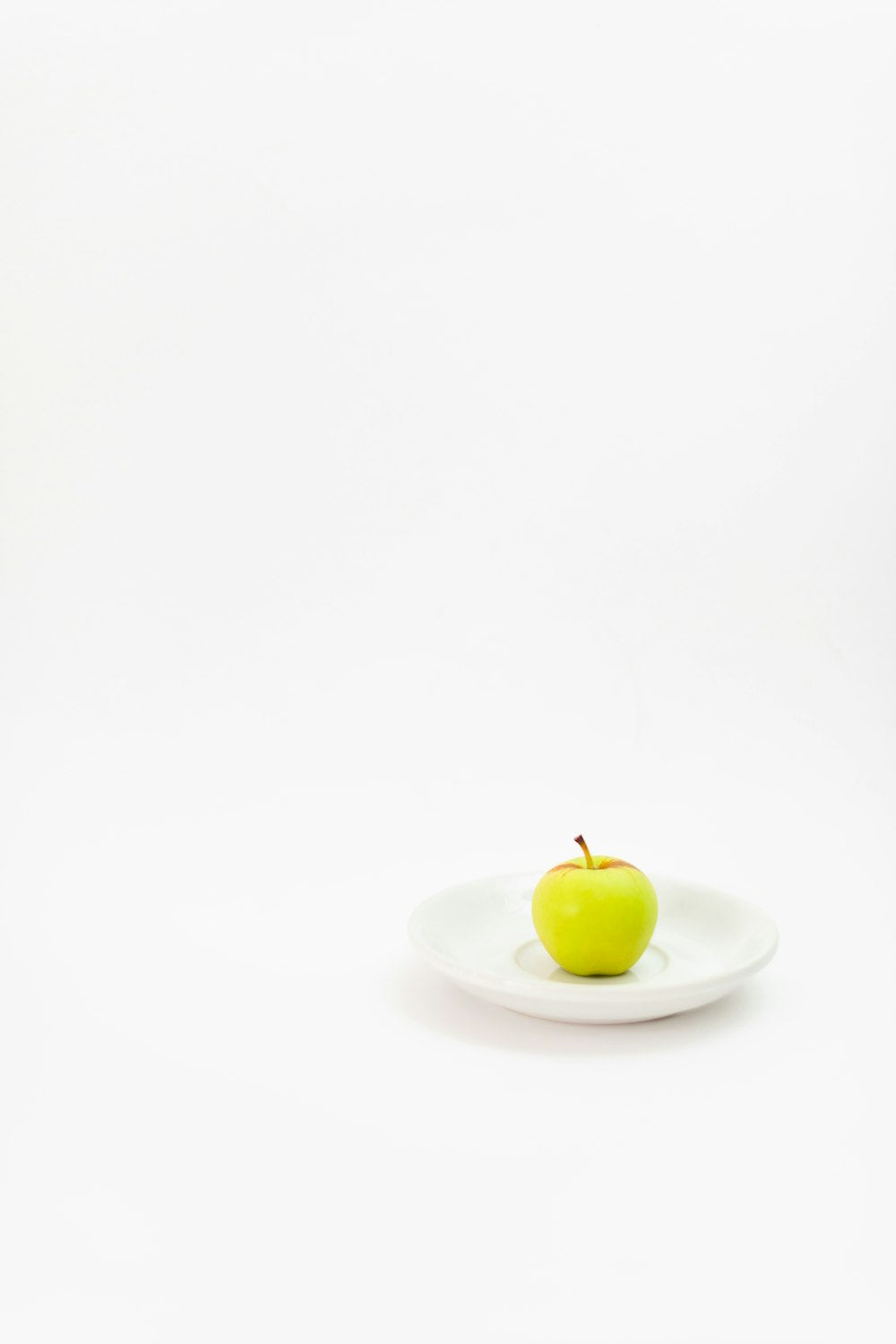
Bacillus coagulans
Probiotic · 500M CFU per chew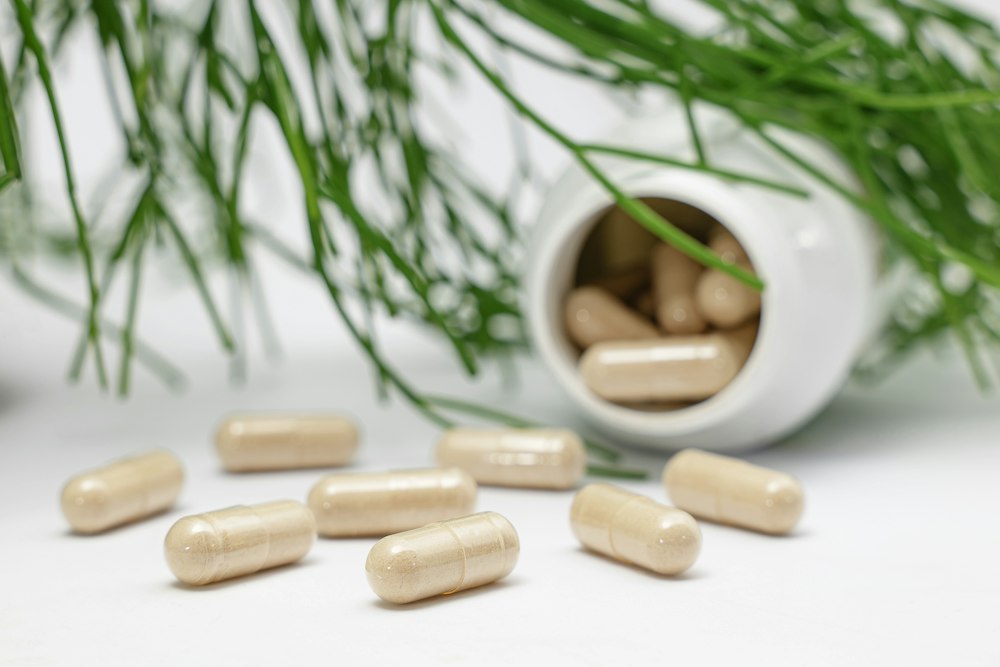
Turn your gland chew around. Read the back.
Most gland chews look the same on the front. The difference is on the label. Here are 5 things to check, and what you'll find on ours.
1,100 mg fiber blend: psyllium 400, pumpkin 300, beet pulp 250, apple pectin 150. Fiber is the reason the chew exists, so it gets the biggest dose.
Look for the fiber total in mg. A 'proprietary blend', or pumpkin with no amount next to it, means you can't tell. Canned pumpkin is about 90% water.
Yes. 1, 2 or 3 chews a day for small, medium and large dogs.
If every dog gets the same amount, a Chihuahua and a Lab get the same dose.
Bacillus coagulans, a spore-forming strain, 500 million CFU per chew.
Look for the strain name and a CFU number. Many common strains don't survive stomach acid well.
Four fibers and one probiotic, each with one job: firm, well-formed stool that presses the glands empty. No chicken, beef, pork or grain.
A long list of extras in one small chew can mean less room for the thing that does the job: fiber.
Yes. Look in the poop bag in week 1 to 2. Firmer, better-formed stool comes first.
If you're two months in and still can't tell whether it's doing anything, that tells you something.
Switching is easy
Start Wellby the day your current tub runs out. Half a dose the first week, then the full dose. Check the poop bag in week 1 to 2. Not happy within 60 days? We'll refund you.
We don't name other brands. Put the two labels side by side and decide for yourself.
Check the poop bag in week 1 to 2
Firmer, better-formed stool is the first sign it's working. Not happy within 60 days? We'll refund you.