Start before the scoot
Your dog seems fine today. But some dogs are far more likely to get anal gland problems, and once glands get impacted, it tends to come back. Here's who should start early, and why.
Shop the chews
Start before the scoot
You don't have to wait for symptoms. Glands that empty every day don't get the chance to fill up, thicken and get sore. For many dogs, a daily chew is simply prevention.
Cavaliers, Cockapoos, Shih Tzus, Bichons, flat-faced breeds and other small dogs, before the first problem shows up.
Emptied at the vet or groomer? Keep them from refilling instead of booking the next visit.
New food, treats, a sensitive tummy or loose stools are the classic trigger. Steady fiber keeps things consistent.
Less muscle tone and extra weight make it harder for glands to empty on their own.
dogs deal with anal gland problems*
It's one of the most common reasons dogs end up at the vet, and one of the least talked about. Most owners only find out when the scooting starts, and by then it tends to come back again and again.
Breeds with the highest risk
Odds compared with crossbreed dogs*
Small dogs often affected
Medium dogs often affected
Large dogs get it too
*O'Neill et al., Vet Record 2021 (RVC VetCompass, 104,212 UK dogs: 4.4% diagnosed in one year; breed and flat-face odds ratios). Corbee et al., Animals 2022 (Dutch veterinarian survey: estimated 15.7% incidence; impaction relapse rate 35.7%, typically after 4 to 5 months). Small breeds per PetMD and Wisdom Panel breed guidance. Large breeds had lower odds than crossbreeds in the RVC study but are still affected.
What's actually going on back there
Every dog has two small anal glands. Most owners never think about them, until the scooting starts.
1What anal glands do
2How they're supposed to empty
3Why they get blocked
4What full glands feel like
The early signs to watch for
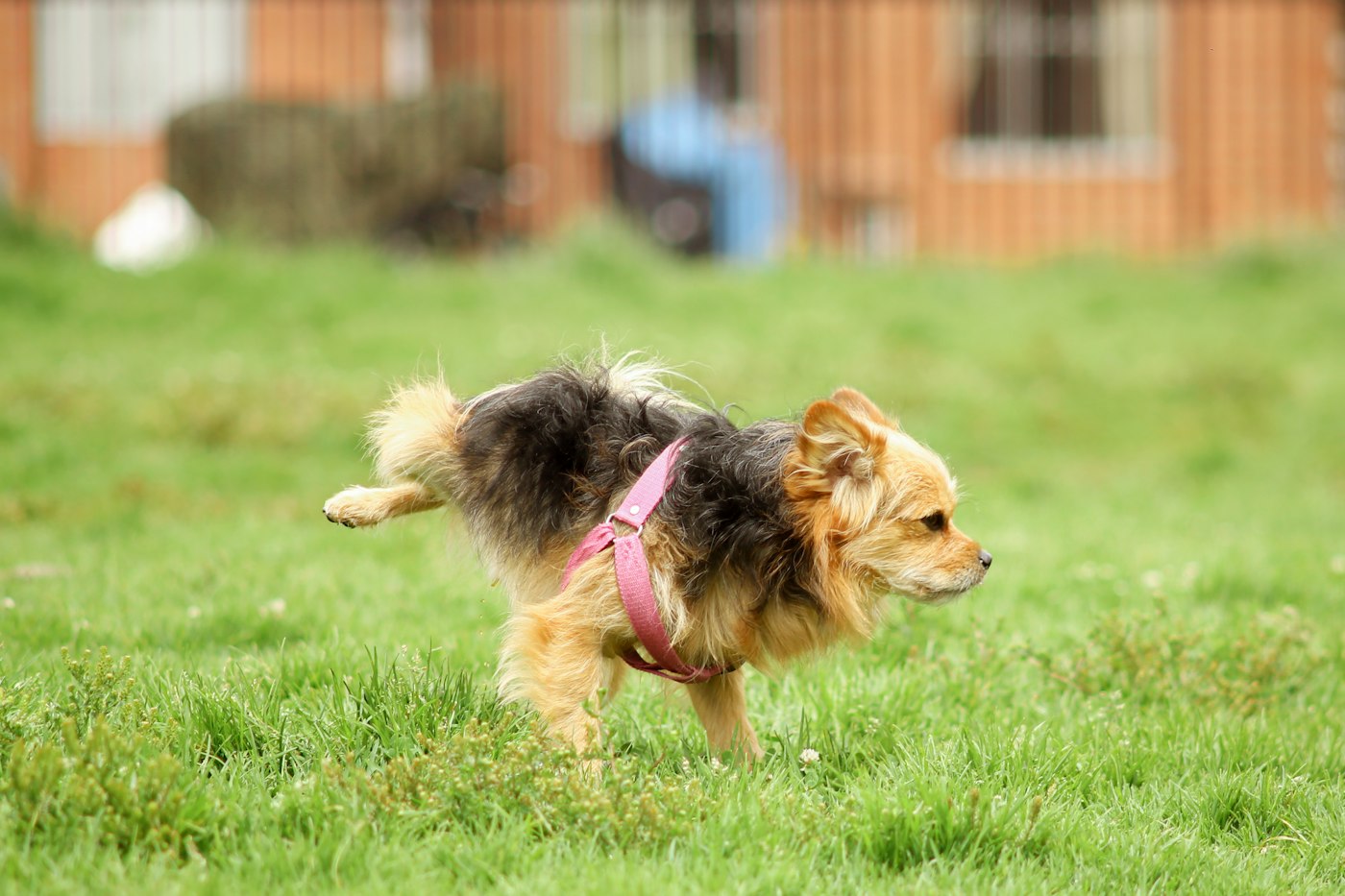
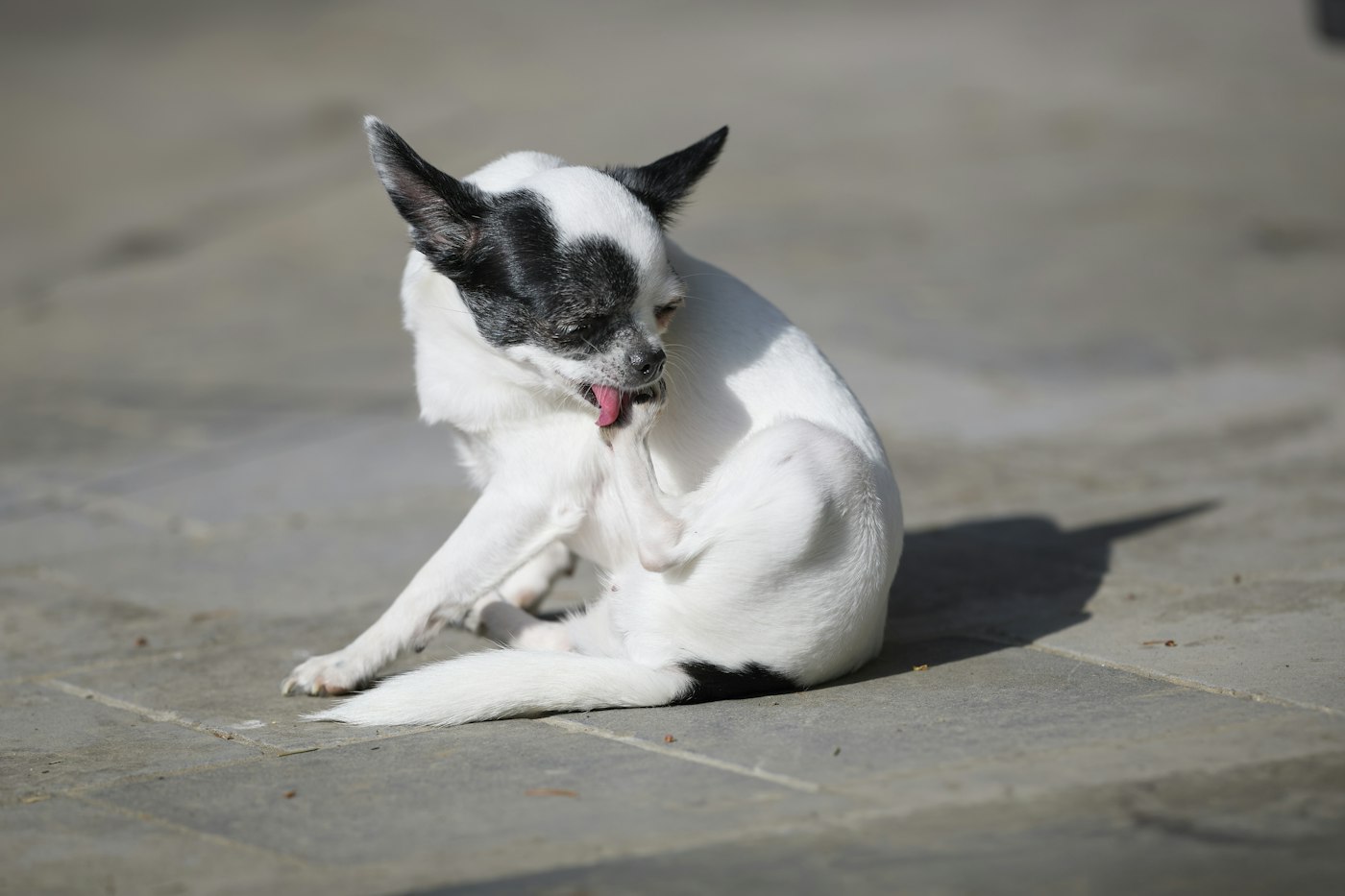
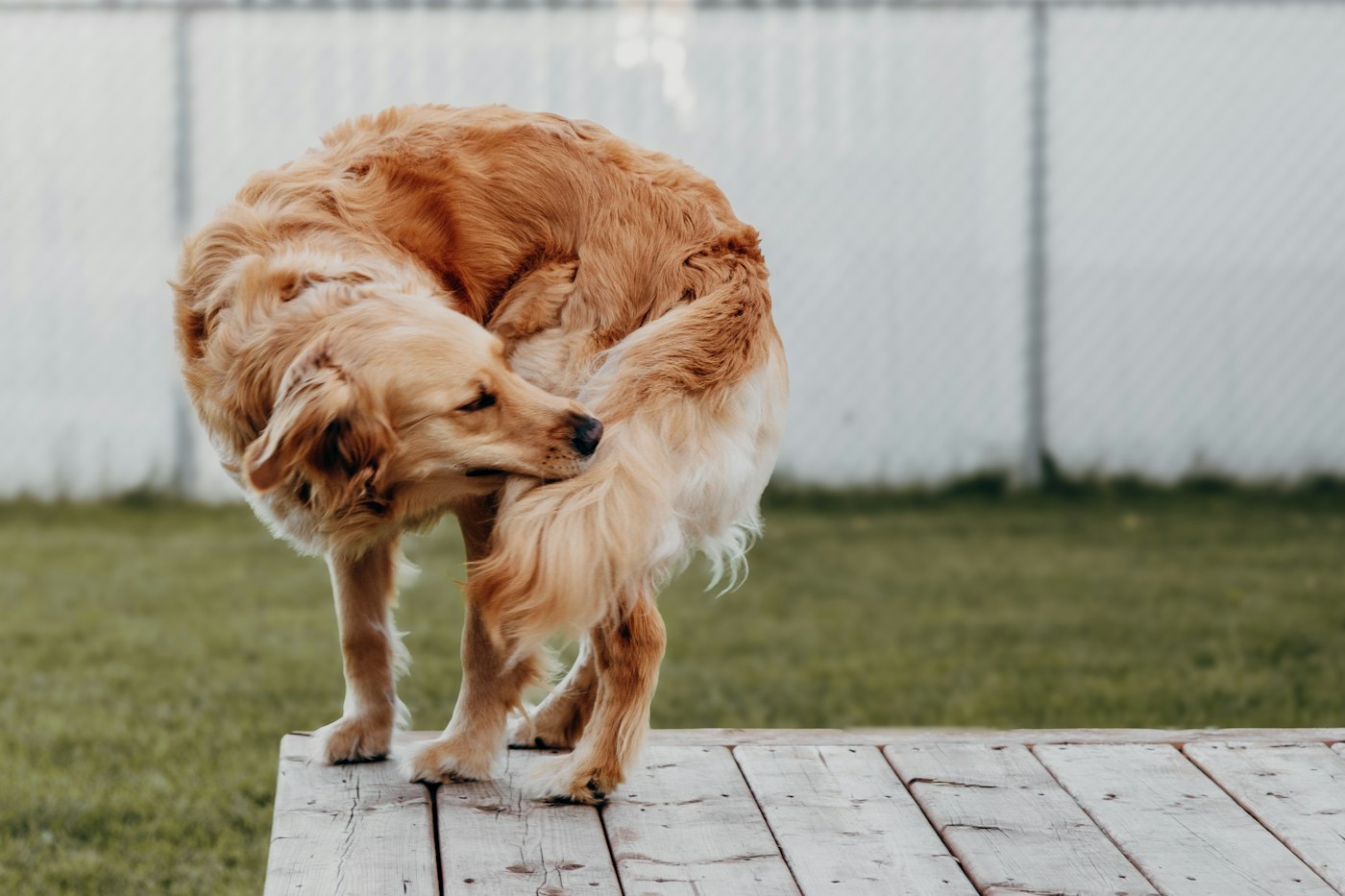
Catch these early. All four usually point to glands that aren't emptying.
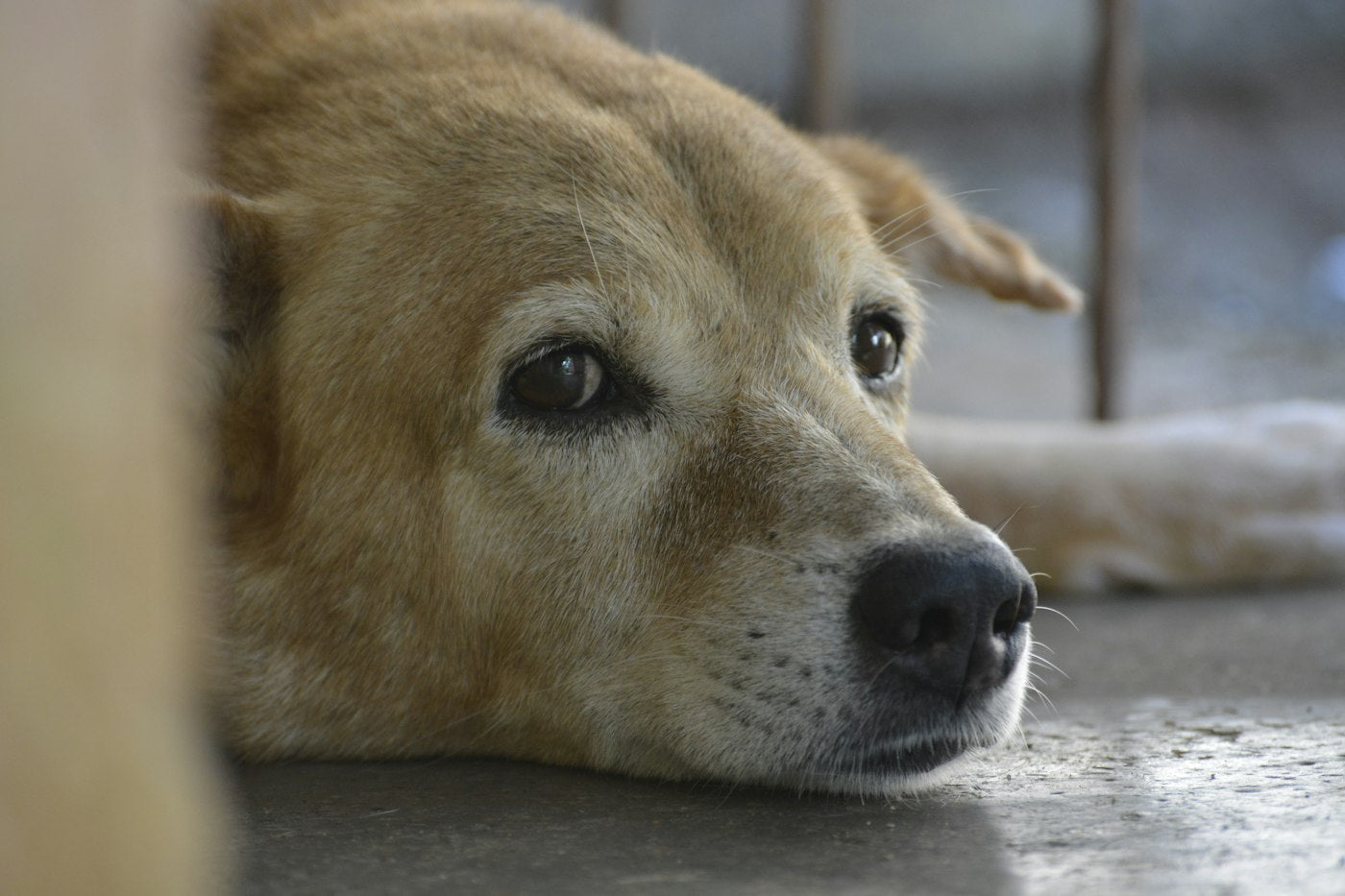
If it gets worse: what treatment really costs
Most treatments empty or fix the glands after the problem is already there. None of them change why the glands stopped emptying, so many dogs end up back in the same chair a few weeks later.
| Option | Typical cost (US) | What it means for your dog |
|---|---|---|
| Manual expression at the vet or groomer | up to $50 per visit | Squeezed out by hand. Uncomfortable, empties only what's there today, and many dogs need it every few weeks. Done often, it can irritate the gland tissue. |
| Antibiotics, steroids & flushing | $100–$1,000 per infection | Used once glands are inflamed or infected. Antibiotics can upset the gut, steroids have side effects, and flushing often needs sedation. |
| Abscess drainage | included above, per episode | A ruptured gland has to be lanced and cleaned. Painful, often a cone and repeat visits. |
| Surgical removal (sacculectomy) | $750–$2,500 | The last resort. General anesthesia; complications can include infection and fecal incontinence. |
| Wellby daily chew | from $0.43 a day | Works on the cause: firmer stool that presses the glands empty on every walk. At home, no needles, no sedation. |
Costs: Embrace Pet Insurance guide to anal sacculitis (expression typically under $50; infected or abscessed glands $100 to $1,000 per incident; sacculectomy $750 to $2,500). Treatment and complication patterns: Corbee et al., Animals 2022. Prices vary by clinic and region.
From $0.43 a day, at home
Less than one gland expression a month. Pick your dog's size and start the routine.